
KENYA CLIMBING SAFARIS
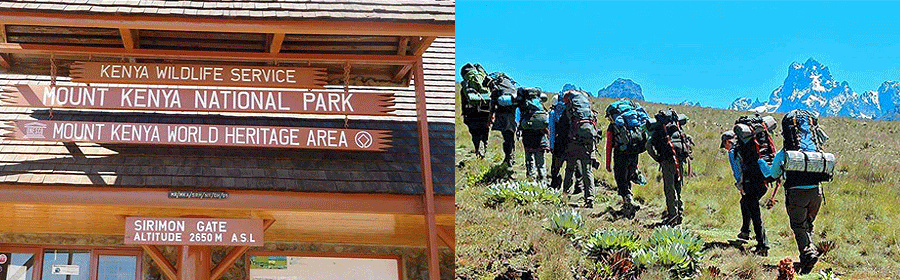
Alternative routes include the Sirimon route, which offers a more gradual ascent and better acclimatization, making it suitable for climbers who want to adjust to altitude. It features striking yellowwood forests and abundant wildlife, with a recommended minimum of two nights to reach the summit. The Chogoria route is considered the most scenic, passing by Hall Tarns and Lake Michaelson, and is ideal for those seeking a rewarding and picturesque trek. The Burguret route is less commonly used and more challenging, suitable for experienced climbers seeking solitude.
Climbing Mount Kenya is not only a physical challenge but also a journey through diverse ecosystems and cultures. Trekkers can encounter unique wildlife such as elephants, black rhinos, and Jackson’s francolin, and engage with local Kikuyu communities to learn about the mountain’s cultural significance. Guided game drives and nature walks enhance the experience, offering close encounters with wildlife and opportunities for photography. We provide comprehensive packages that include all meals, accommodations in mountain huts or tents, experienced English-speaking guides, safety equipment like oxygen cylinders and medical kits, and carbon offsetting for environmental sustainability.
For those interested in combining mountain climbing with broader safari experiences, we offer combined itineraries that include visits to the Maasai Mara, Ol Pejeta Conservancy, or other national parks, allowing travelers to explore Kenya’s diverse landscapes and wildlife. The best climbing months are January, February, August, and September, which offer drier weather and more reliable conditions. Preparation is key, with recommendations to begin training at least one to two months prior through activities like running, swimming, and stair-climbing.
m.t kenya climbing safari offers -:


